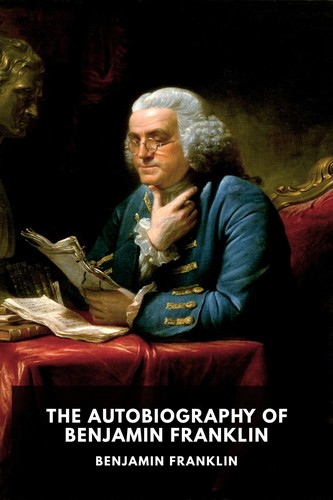
This book has a lot of gold in it, but you’ve got to put in the work to go looking for it. The old fashioned english used and the fact there is no organisation to the book (it’s just one long piece of text) make it among the harder books to read. Especially at the start as you are just getting used to the language.
That being said, you’ll be glad you read it when you’re done. But if you still can’t be arsed to read it. Take a look at my thoughts below.
Main Ideas
Be a good judge of character. This way you can test who is worth your time and who is not
Be good to people. Not only because it is the right thing to do, but because it will help you in the future too.
Spend your time wisely. What you do on a daily basis impacts the man you are in the future (—> The Power of Habit)
Spend time with the right people. Actively spend time with people who are good for you (intelligent and impressive), while removing those who are bad for you.
Have a set of values. He wrote that the two principles that will make a poor mans fortune are above all others probity (Having strong morals) and integrity. Live by them and let them guide you, it will give you the reputation of being a well principled person
Read and learn insatiably
13 Virtues
Franklin created for himself 13 characteristics that he wanted to develop. He tracked each of these habits individually, noting with a dot in his journal when he did not adhere to them. He began with number 1, and only moved onto the next one only once he had completed an entire week of no dots.
- Temperance. Eat not to dullness; drink not to elevation.
- Silence. Speak not but what may benefit others or yourself; avoid trifling conversation.
- Order. Let all your things have their places; let each part of your business have its time.
- Resolution. Resolve to perform what you ought; perform without fail what you resolve.
- Frugality. Make no expense but to do good to others or yourself; i.e., waste nothing.
- Industry. Lose no time; be always employed in something useful; cut off all unnecessary actions.
- Sincerity. Use no hurtful deceit; think innocently and justly, and, if you speak, speak accordingly.
- Justice. Wrong none by doing injuries, or omitting the benefits that are your duty.
- Moderation. Avoid extremes; forbear resenting injuries so much as you think they deserve.
- Cleanliness. Tolerate no uncleanliness in body, cloaths, or habitation.
- Tranquillity. Be not disturbed at trifles, or at accidents common or unavoidable.
- Chastity. Rarely use venery but for health or offspring, never to dullness, weakness, or the injury of your own or another’s peace or reputation.
- Humility. Imitate Jesus and Socrates.
Reading & Writing
Franklin read voraciously, and noted a few books that he learned a lot from
- On human understanding (Locke) - Combined with the below book to learn thought/philosophy
- The art of thinking (Messrs, du port royal)
- Memorable things of socrates (Xenophon) - To learn the socratic method
He also believed that his autobiography (and biographies in general) build indirect experience of events and lives
Thought and Opinion
- Shared knowledge is better than knowledge kept secret
- He wrote many essays, learning how to write well from a young age by arguing with a pen pal
- The change inflicted by his essays show the power of a well thought through argument
- If you wish improvement of knowledge then hold your opinions and thoughts loosely
- Formed the Junto Club to disscuss important matters with his intelligent friends
- Matters of philosophy, politics, morals etc
- Each meeting someone would write an essay which was to be discussed in the meetings
Relationships
- Lent a lot of money to his friends, he often was not paid back
- He built and added to his network of “ingenious” people whenever he met someone clever
- He sought out the intelligent and impressive people wherever he went, not just waiting to stumble upon them
- How people see you is important, so you should make sure that your reputation is going to do you favours (Act as if)
- Not only did he seek out intelligent people, he also removed those who were bad for him in a ruthlessly critical manner.
- He found that people respond better to suggestions when you present them on behalf of a group not an individual, this is how Franklin sold subscriptions to the library for the junto club
- “He that has done you a kindness will be more ready to do you another”
- He was always judging the character of other people, by doing this he became very good at it. Shows the benefits of a strong judge of character
- Being a good person makes people want to be lead by you. The 13 virtues were Franklins way of building the character necessary not only to be able to lead, but to be wanted as a leader
- In the back of your mind, always be thinking in one way or another “how can I benefit others”
Hard Work
- Many people called him the hardest worker he knew
- One of his principles was “Industriousness” which he valued incredibly highly
- Spend your time wisely. Once the library in Philadelphia was up and running he made the choice every day to spend time there instead of in the tavern. Replacing the education he says he did not get in the formal sense
- When the going gets tough, a lot of people change their original goal to save some work, Franklin says this is not something to make a habit of as it leads to worse work
- Never reject a position because you feel you are inexperienced, only if it is against your virtues
Commendable Acheivements
- Founding the junto club
- Started the first library in Philadelphia
- Conducted the experiments which proved lightning is just electricity (lightning rods)
- Set up the “Union Fire Company”, essentially the first fire brigade
- Wrote a book on science experiments