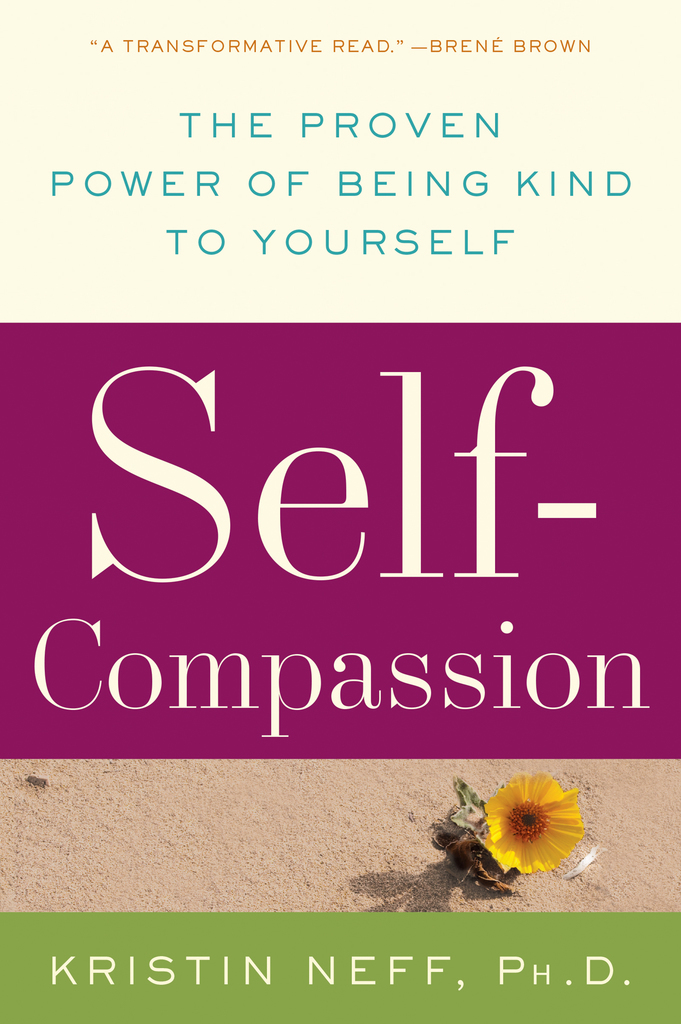
Why Self Compassion?
- Low self-compassion means high criticism of self and others
- We project our flaws onto other people
- We try to avoid our own self critic by controlling everything - “harsh self-criticism is often used as a cover for something else: the desire for control”
- Being self critical makes us less satisfied in life, because we assume everyone else is judging us as harshly as we judge ourselves
- “The best way to counteract self-criticism, therefore, is to understand it, have compassion for it, and then replace it with a kinder response”
The Core Components of Self Compassion
1 Self-Kindness
“that we be gentle and understanding with ourselves rather than harshly critical and judgmental”
- Self-kindness involves active comfort, not just stopping self-judgment - “Self-kindness involves more than merely stopping self-judgment. It involves actively comforting ourselves, responding just as we would to a dear friend in need”
- Our brains are biologically designed to care and nurture - “the capacity to feel affection and interconnection is part of our biological nature. Our brains are actually designed to care”
- Recognise external factors that shaped who you are - “Our economic and social background, our past associations and conversations, our culture, our family history, our genetics—they’ve all had a profound role in creating the person we are today”
2 Common Humanity
“feeling connected with others in the experience of life rather than feeling isolated and alienated by our suffering”
- All humans experience failure and inadequacy - “Self-compassion honours the fact that all human beings are fallible, that wrong choices and feelings of regret are inevitable, no matter how high and mighty one is”
- Self-pity isolates while self-compassion connects - “Whereas self-pity says “poor me,” self-compassion remembers that everyone suffers, and it offers comfort because everyone is human”
- Our humanity cannot be taken away by failure - “When our sense of self-worth and belonging is grounded in simply being human, we can’t be rejected or cast out by others. Our humanity can never be taken away from us, no matter how far we fall”
3 Mindfulness
“we hold our experience in balanced awareness, rather than ignoring our pain or exaggerating it”
- Recognize suffering before you can heal it - “To give ourselves compassion, we first have to recognize that we are suffering. We can’t heal what we can’t feel”
- Awareness remains constant while experiences change - “Awareness does not change. It is the only thing in our waking experience that remains still and constant, the calm foundation on which our ever-changing experience rests”
- Use the self-compassion mantra in difficult moments - “This is a moment of suffering. Suffering is part of life. May I be kind to myself in this moment. May I give myself the compassion I need”
Benefits of Self Compassion
Emotional Resilience
- Self-compassion significantly reduces anxiety and depression - “self-compassion explaining one-third to one-half of the variation found in how anxious or depressed people are”
- It reduces harmful rumination patterns - “self-compassionate people have been found to ruminate much less than those who lack self-compassion”
- Painful feelings are temporary when not resisted - “Painful feelings are, by their very nature, temporary. They will weaken over time as long as we don’t prolong or amplify them through resistance or avoidance”
Opting Out of the Self-Esteem Game
- Self-esteem depends on evaluation while self-compassion is unconditional - “At its core, self-esteem is an evaluation of our worthiness, a judgment that we are good, valuable people”
- Success and failure don’t define your worth - “Our successes and failures come and go—they neither define us nor do they determine our worthiness. They are merely part of the process of being alive”
- Self-compassion relates to who you are, not what you achieve - “self-compassion is a way of relating to the mystery of who we are”
Motivation and Personal Growth
- Love motivates better than fear-based self-criticism - “why is self-compassion a more effective motivator than self-criticism? Because its driving force is love not fear”
- Self-compassion leads to long-term well-being choices - “self-compassion involves valuing yourself in a deep way, making choices that lead to well-being in the long term”
- It enables honest self-assessment without harsh judgment - “by softening the blow of self-judgment and recognising our imperfect humanity, we can see ourselves with much greater honesty and clarity”
Self Compassion in Relation to Others
Compassion for Others
- Self-compassion creates energy for helping others - “Self-compassion is a way of emotionally recharging our batteries. Rather than becoming drained by helping others, self-compassion allows us to fill up our internal reserves”
- It enables authentic, supportive friendships - “self-compassionate people are better able to create close, authentic, and mutually supportive friendships than those who are self-critical”
- Recognising common humanity promotes forgiveness - “Being human involves doing wrong at times. This means that to judge one person is to judge all the world”
Self-Compassionate Parenting
- Teach children they’re works in progress, not defined by failures - “You want to emphasize that we are not defined by our failures and shortcomings but are instead all of us works in progress, in a continual state of learning”
- Critical parenting leads to adult anxiety and depression - “children of critical parents are more likely to lack self-compassion and suffer from anxiety and depression in adulthood”
- Help children understand their experiences aren’t unique - ""the personal fable,” a cognitive fallacy leading adolescents to believe that their experiences are unique and that others cannot possibly understand what they are going through”
Love and Sex
- Self-compassion reduces dependency on partner validation - “if we exclusively rely on our partner’s good opinion of us to feel okay about ourselves, some time or another we’re going to get a rude awakening”
- It inspires positive emotions during relationship conflicts - “Self-compassion tends to inspire positive rather than destructive emotions during relationship conflicts”
- Examine your relationship patterns from childhood - “Most people develop patterns of reacting in relationships that are unhelpful, patterns that are typically formed in response to early childhood traumas”
The Joy of Self-Compassion
The Butterfly Emerges
- Hold negative emotions in the embrace of good feeling - “By relating to ourselves with compassion, we are holding our negative emotions in the warm embrace of good feeling”
- Self-compassion builds optimism through confidence in coping - “Self-compassionate people are more optimistic because they know that if problems occur, they can deal with them”
- Openheartedness includes caring concern for all experiences - “Openheartedness is a state of emotional receptivity in which even unpleasant or negative experiences are held with caring concern”
Self-Appreciation
“Self-appreciation and self-compassion are really two sides of the same coin. One is focused on what brings us pleasure, the other on what brings us suffering”
- Practice conscious savoring of pleasurable experiences - “Savoring refers to the conscious enjoyment of that which gives us pleasure”
- Keep a daily gratitude journal to increase happiness - “Research suggests that keeping a daily gratitude journal is one of the best and most reliable ways to increase happiness”
- Self appreciation is compassion directed toward our positive qualities