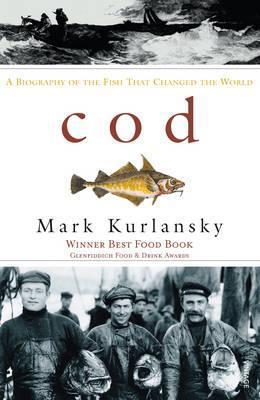
This book may be about the history of a fish. But it’s also full of great recipes that will have your mouth watering. Just so you know.
Prologue
We start at the end — with a moratorium. Cod stocks around Newfoundland had collapsed, and the government had to step in. It’s a dramatic moment that makes it clear: this isn’t just a book about fish, it’s about how humans can overrun even the most abundant resources. Cod is a bottom-feeding fish, but its story reaches the top of global history.
Part 1: Fish Tale
Cod turns out to be an ancient celebrity. The Basques and Vikings were drying and salting it long before supermarkets were a thing. It’s lean (barely any fat), which made it perfect for preservation, and preservation made it perfect for long voyages and distant trade. The book hints at wild stuff — a guy from Bristol might have reached Brazil before Columbus, chasing cod. Place names ending in “wich” (as in Norwich or Greenwich) were salt towns, and salt was what made cod exportable. Cape Cod and North Virginia were named not for grandeur but for the fish and the coastline needed to dry it. Cod even played a role in funding the slave trade and kickstarting economic independence in the U.S. This chapter feels like a revelation — cod wasn’t just a fish, it was a currency.
Part 2: Limits
The fish might be plentiful, but the job was brutal. Freezing weather, waves, fog, no sleep. Clarence Birdseye shows up as a quiet hero, making frozen food viable and expanding cod’s reach even further. But then the tension builds: Iceland and Britain get into literal standoffs — the Cod Wars — where Iceland starts snipping nets off British trawlers. It’s a battle over sovereignty, fishing rights, and ecological survival. The sea stops being romantic and starts looking political.
Part 3: The Last Hunters
Overfishing takes center stage. The cod industry becomes a cautionary tale: too much greed, not enough foresight. Fish farming enters the story as a partial fix, but it’s not ideal — farmed fish develop odd traits and aren’t built for the wild. Nature pushes back by accelerating the maturity rate of endangered fish, a kind of last-ditch survival trick. There’s also a good bit about misleading stats: “catch” means what goes on the boat, but “landing” means what’s actually sold — and if prices were bad, fishermen would just dump fish back into the sea. The book ends with the taste of bechamel — originally invented to go with salt cod — reminding us how deep into our culture this fish once swam.